Optimal Timing for Chimney Removal
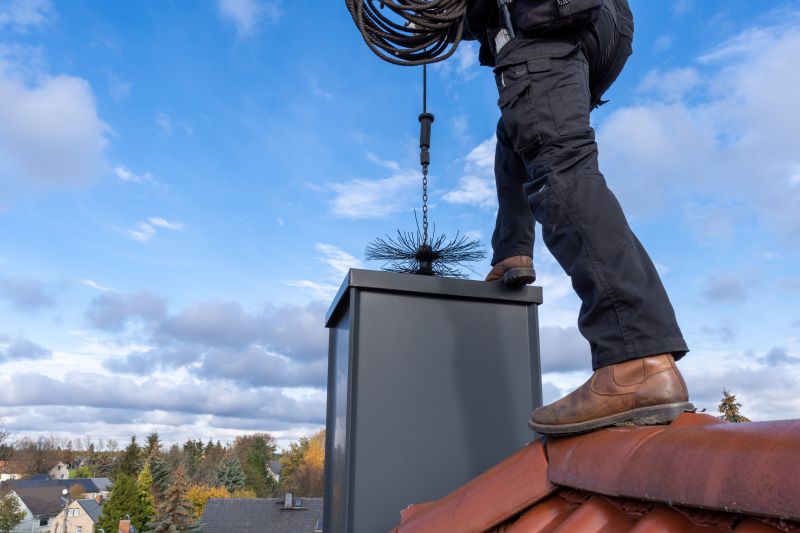
Spring offers mild weather conditions, reducing risks during removal projects.
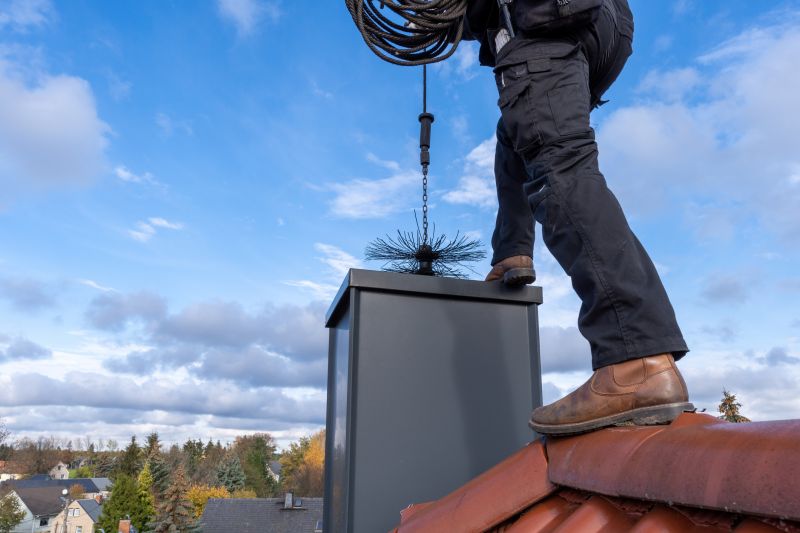
Summer provides longer daylight hours, allowing for flexible scheduling and efficient work.

Fall's cooler temperatures help prevent overheating of equipment and ensure safety.
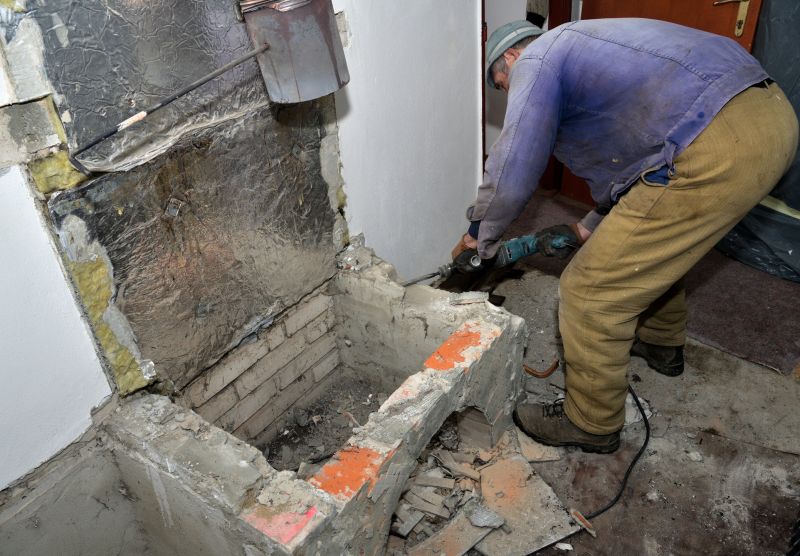
Ways to make Chimney Removals work in tight or awkward layouts.
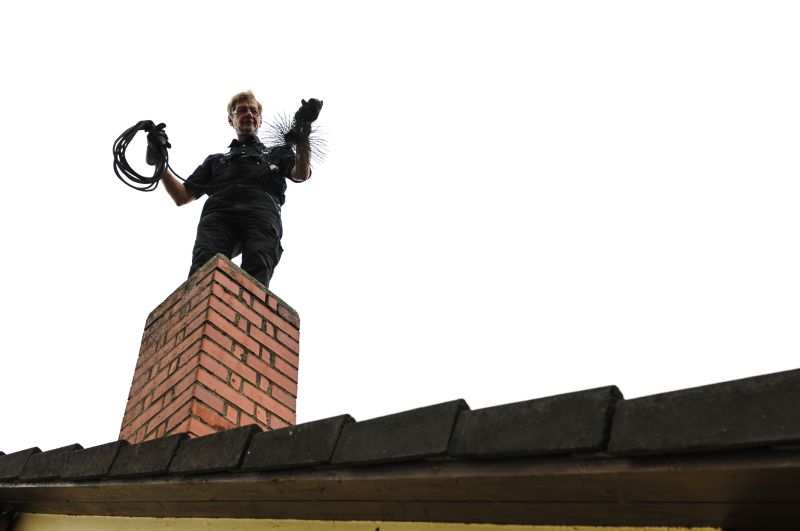
Popular materials for Chimney Removals and why they hold up over time.

Simple add-ons that improve Chimney Removals without blowing the budget.

High-end options that actually feel worth it for Chimney Removals.

Finishes and colors that play nicely with Chimney Removals.
Chimney removals are typically performed when a chimney is no longer in use, damaged beyond repair, or during property renovations. The timing of removal can impact safety, efficiency, and cost. Weather conditions, availability of skilled labor, and project schedules influence the optimal time for such work. Generally, milder seasons reduce complications related to weather, making spring, summer, and fall ideal periods for chimney removal projects.
Performing removals during dry, mild weather minimizes delays and safety concerns.
Off-peak seasons often allow for better scheduling and potentially lower costs.
Removals coincide with other renovation activities, often scheduled during favorable seasons.
Certain local regulations may influence the timing of chimney removal projects.
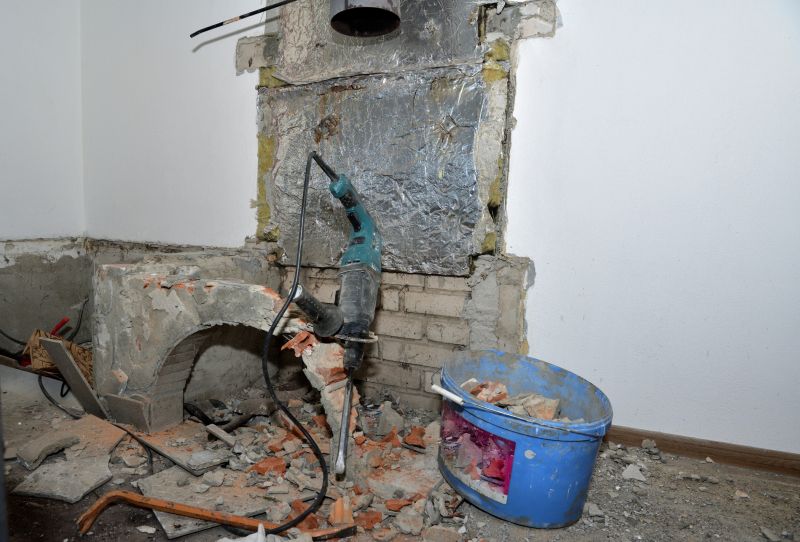
Specialized tools are used to safely dismantle and remove chimneys.
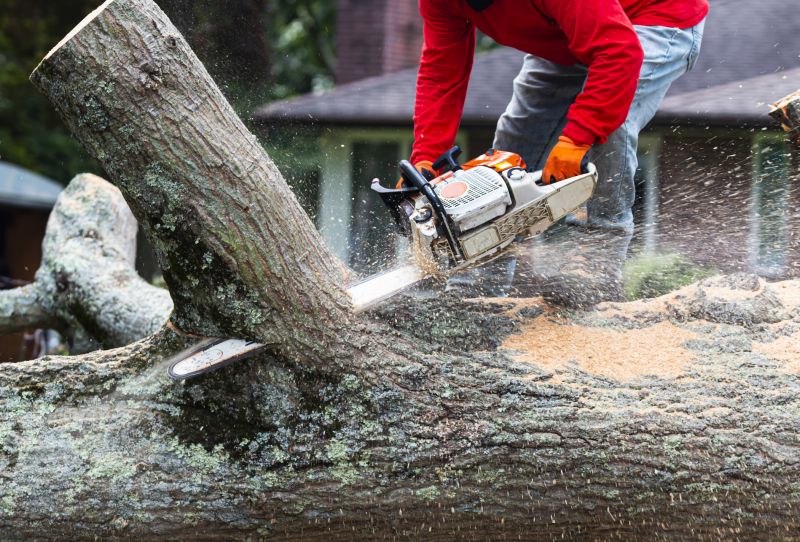
The process involves careful planning, dismantling, and debris removal.
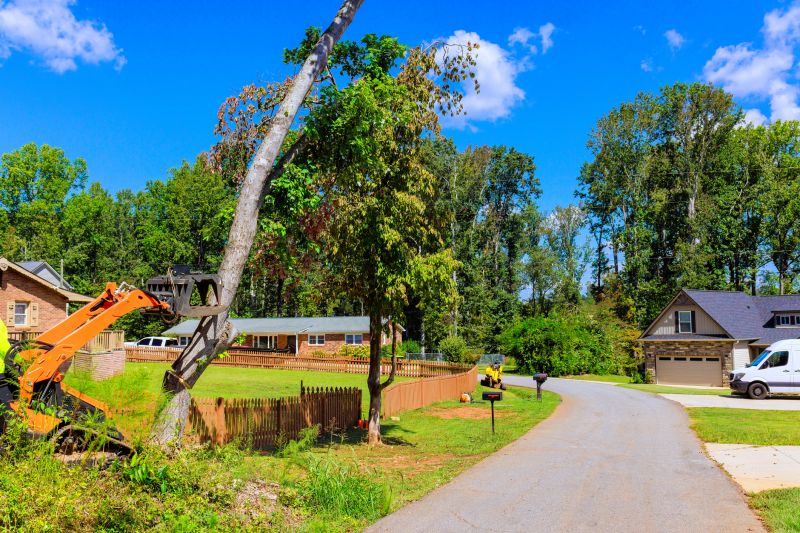
The site is prepared for future construction or landscaping after removal.
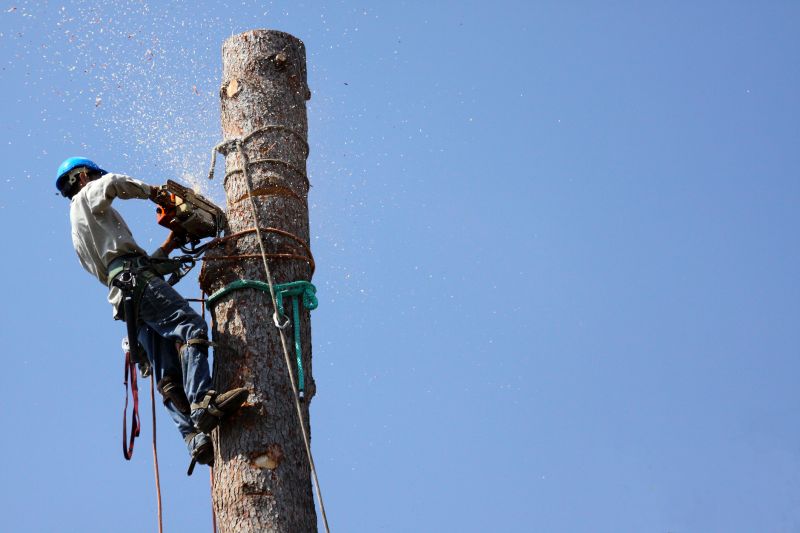
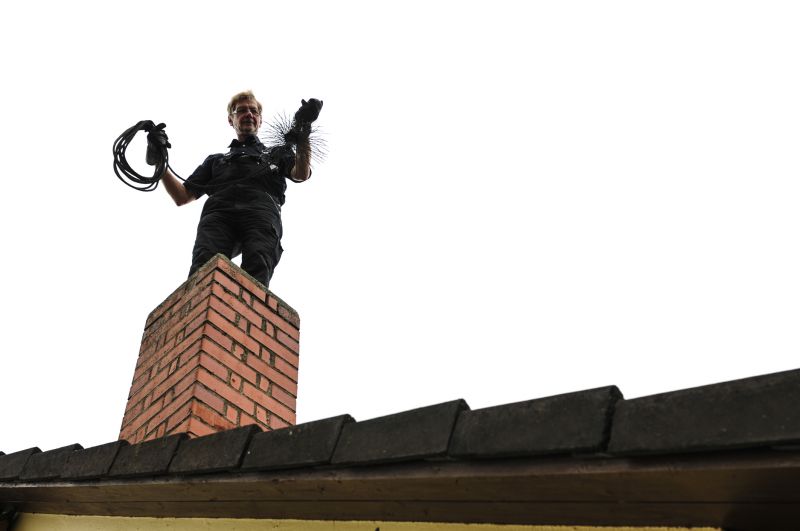
Workers use protective equipment to ensure safety during chimney removal.
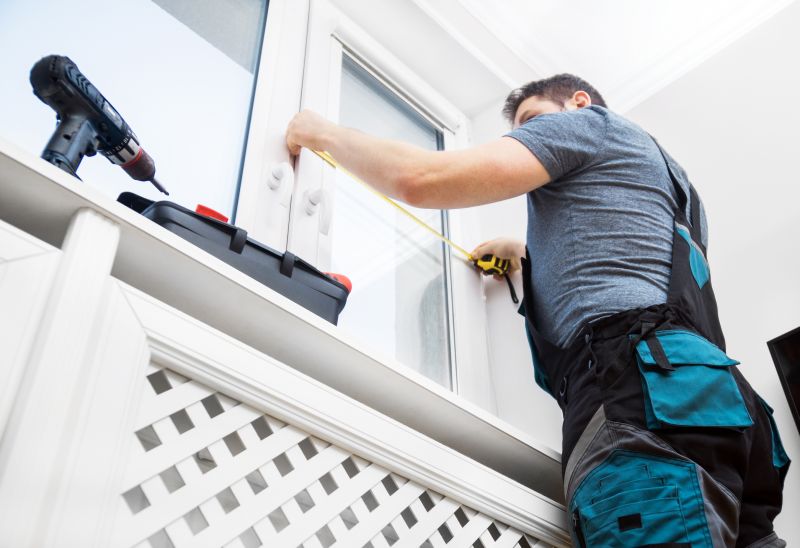
Little measurements that prevent headaches on Chimney Removals day.
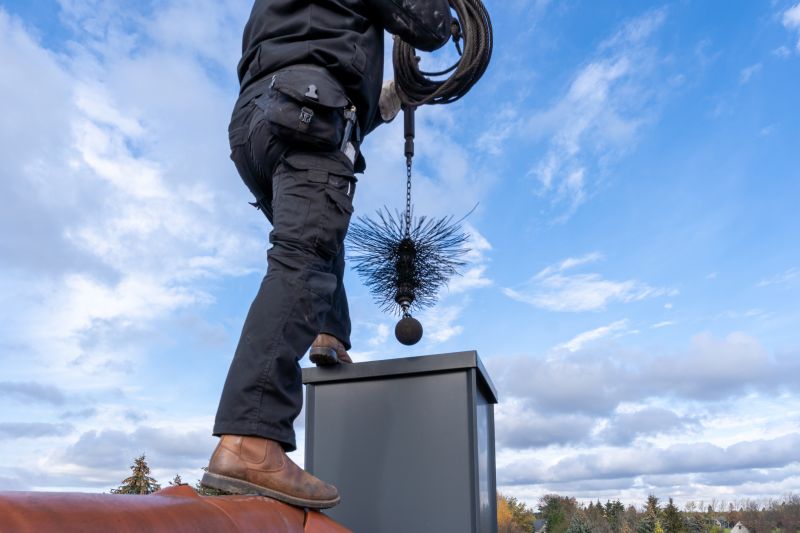
A 60-second routine that keeps Chimney Removals looking new.

A frequent mistake in Chimney Removals and how to dodge it.
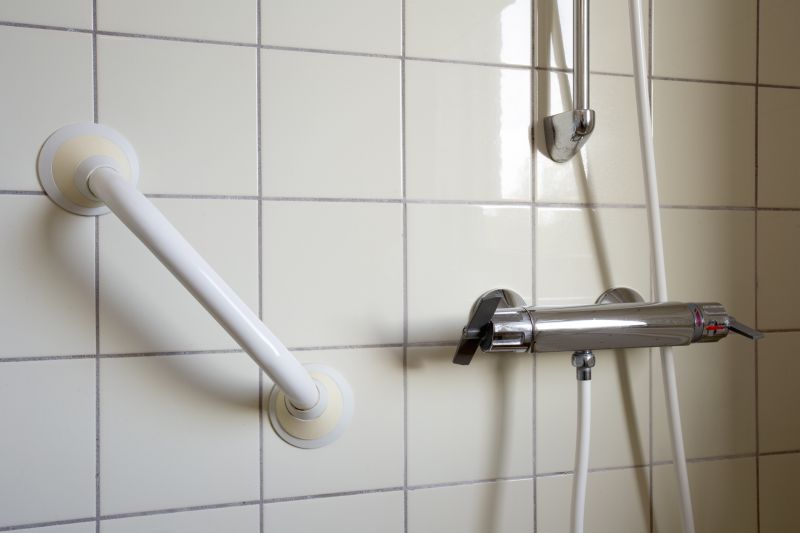
Small tweaks to make Chimney Removals safer and easier to use.
| Season | Advantages |
|---|---|
| Spring | Mild weather, good for safety and efficiency |
| Summer | Longer daylight hours, flexible scheduling |
| Fall | Cool temperatures, suitable for equipment operation |
| Winter | Less common, potential weather delays |
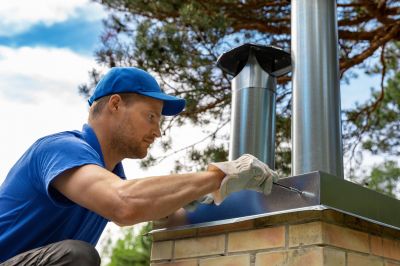
Careful disassembly prevents damage to surrounding structures.

Efficient cleanup ensures a safe and tidy site after removal.
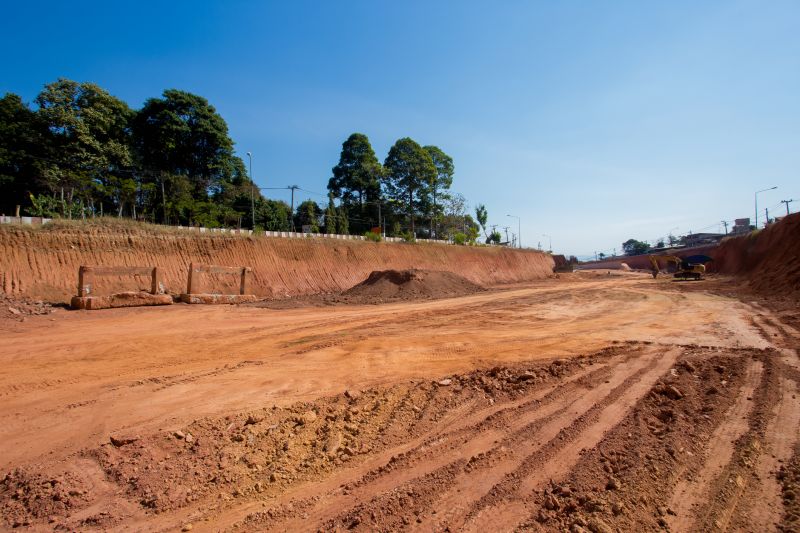
Prepared sites facilitate future construction or landscaping.
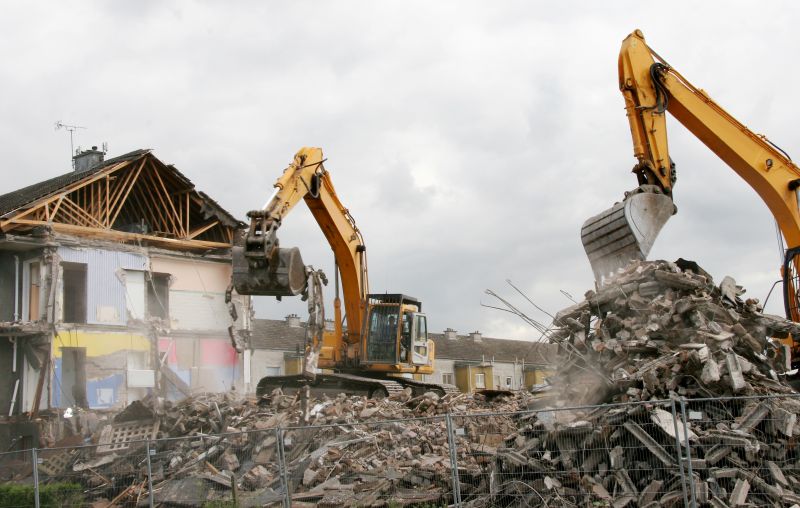
Heavy machinery safely dismantles the chimney structure.
Lower-waste or water-saving choices for Chimney Removals.
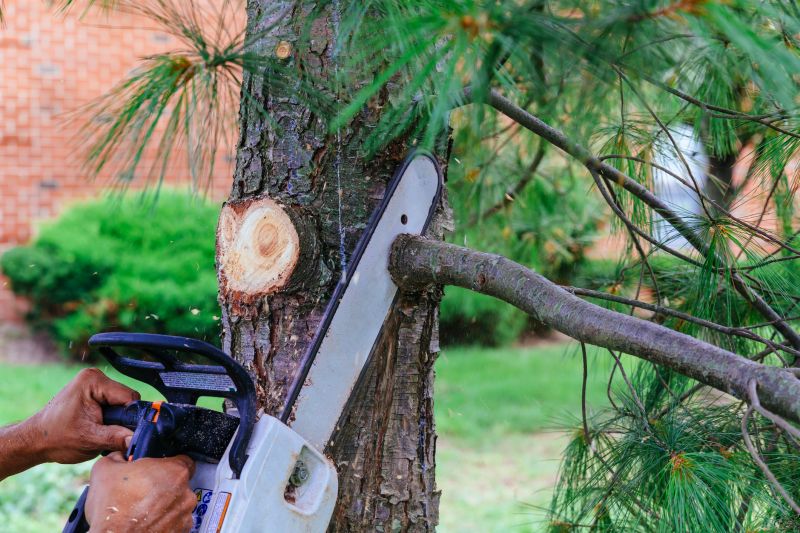
The short, realistic tool list for quality Chimney Removals.

Rough timing from prep to clean-up for Chimney Removals.

Quick checks and paperwork to keep after Chimney Removals.
Timely chimney removal can prevent potential hazards, such as structural instability or water infiltration, especially in older buildings. Properly scheduled projects ensure minimal disruption and allow for efficient completion. Consulting with specialists can help determine the most suitable period based on local climate and project scope.
Proper timing reduces risks related to weather and structural instability.
Off-season scheduling may offer financial benefits.
Timing can influence permit processing and inspections.
Interested parties are encouraged to contact for more information or to schedule a chimney removal project. Filling out the contact form provides an opportunity to discuss specific needs and preferred timing for the removal process.